


Plant Description
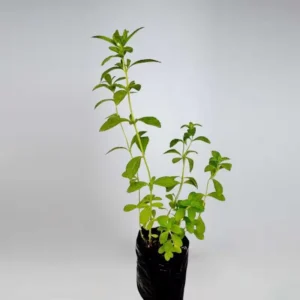
Ranakalli plant is an ideal home garden and kitchen garden herb as it is a fast spreading, small, trailing herb. You can grow it in pots, in your garden or as winter ground cover to bring home that green! Gardeners appreciate it for its versatility — both serene and therapeutic. Its leaves are eaten as a vegetable in traditional South Indian cook and the plant is used Ayurvedic medicine. Ranakalli also thrives in hot, humid conditions with little attention, making it a great option for new gardeners.
How to Plant Ranakalli Saplings
- Select the location where you want to grow plant with well-drained soil and partial to full sun.
- If you are planting in the ground, loosen the soil in the area and dig a hole that is two or three inches wider than the root ball.
- For container planting, choose a grow bag, pot, or container 12 inches width x 12 inches depth (1 ft x 1 ft) with a hole at the bottom for drainage.
- Add potting soil!!! Fill the pot/grow bag with a rich potting mix. Remove the sapling gently, cover the roots with soil, and press gently.
- Water after planting to aid in the establishment of roots.
Ranakalli Plant Care
- Temperature: Its growing temperature is 20°C-30°C in warm and humid environment.
- Soil: Well-drained fertile soil with some organic matter.
- Water: Moisten the soil evenly; do not overwater or let it dry out completely.
- Light: Ranakalli can be grown outdoors in full sun to partial shade or bright indoors.
- Pruning: Dry or yellow leafs can be plucked from the plant to keep it looking healthy.
- Fertilizer: Apply organic manure or liquid fertiliser once in 3 to 4 weeks during the growing season.
- Pest Control: To deter aphids and mites, treat with neem oil or mild organic pesticides.
Potting Mix for the Ranakalli Plant
- Combine equal parts of garden soil, cocopeat, and organic compost.
- Make sure the soil is light, draning well and rich in nutrients.
- Add a pinch of neem powder or neem cake to avoid fungal infection and pests.
Uses of Ranakalli Plant
- It has a long history of use in Ayurvedic medicine as a treatment for inflammation, wounds and pain.
- Skin diseases such as Eczema, Pimples, Furuncle, Scabies, Rashes can be treated effectively with the usage of this product in paste or extract form.
- It relieves the swelling and pain of the joints when applied locally.
- Promotes liver health and digestion when taken in medicinal, regulated doses.
- It is customary to use an herbal oil in balms, ointments and traditional medicine remedies.
- The extracts also find application in organic skin care and healing balms.
- While it has healing properties, internal consumption is always to be advised and under supervision of a doctor.
- Necessarily consult appropriate ayurvedic or medical professional for the accurate dose and way of consumption.
Benefits of Ranakalli Plant
- It has natural anti-inflammatory and wound healing effects.
- It purifies indoor air and brings greenery to indoor environments.
- Promotes healthy skin in herbal preparation.
- It is also simple to grow and care for them, perfect for home gardens and for our herbs.
Frequently Asked Questions (FAQ)
1. What is the use of Kalanchoe pinnata?
It is also commonly used in treatment of infections, respiratory problems, wounds, and kidney stone.
2. How to treat kidney stones with Ranakalli?
Blend one or two leaves and drink the juice on an empty stomach.
3. Is Ranakalli safe to use daily?
Yes, if used in moderation. Long term use should be under medical supervision.
4. Can I plant Kalanchoe pinnata in a pot?
Absolutely! It does well in pots that drain well.
5. Does ranakalli plant needs fullsun?
Full sun to partial shade is the ideal growing environment. Avoid prolonged exposure to the strong midday sun.
6. How often to water the plant?
Water the soil when it is dry. Don’t water too much—overwatering is harmful.
7. Is Kalanchoe pinnata an outdoor or indoor plant?
It can be grown outdoors and indoors (with sufficient light).
8. Can you eat it?
Yes, in traditional medicine the leaves are used in small quantities.
9. Does it help with colds and coughs?
Asthma, coughing and cold are treated with its juice.
10. What month does Ranakalli flower?
Ranakalli is sweet-smelling and blooms usually in the winter months when temperatures are cold.
11. Can children take this plant as medicine?
Under supervision and in small quantity as indicated by a herbalist.
12. Is Kalanchoe pinnata good for skin?
Yes, the crushed leaves are used against cuts, boils and inflammation.
13. Where can I buy Kalanchoe pinnata online?
Buy Kalanchoe pinnata (Ranakalli) Plant Online from BharathGreens, your trusted plant seller.
Alternate Names
Botanical Name: Bryophyllum pinnatum (Synonym: Kalanchoe pinnata)
Kalanchoe pinnata plant in Tamil as Ranakalli plant (ரணகள்ளி செடி);
Kalanchoe pinnata plant in Hindi as Patharchatta plant (पत्थरचट्टा);
Kalanchoe pinnata plant in Malayalam as Ilamulachi plant (ഇലമുളച്ചി);
Kalanchoe pinnata plant in Telugu as Ranapala plant (రణపాల); and
Kalanchoe pinnata plant in Kannada as Kaadu Basale plant (ಕಾಡುಬಸಳೆ).
Other common names:Miracle Leaf, Leaf of Life, Air Plant, Cathedral Bells, Resurrection Plant

Reviews
There are no reviews yet.